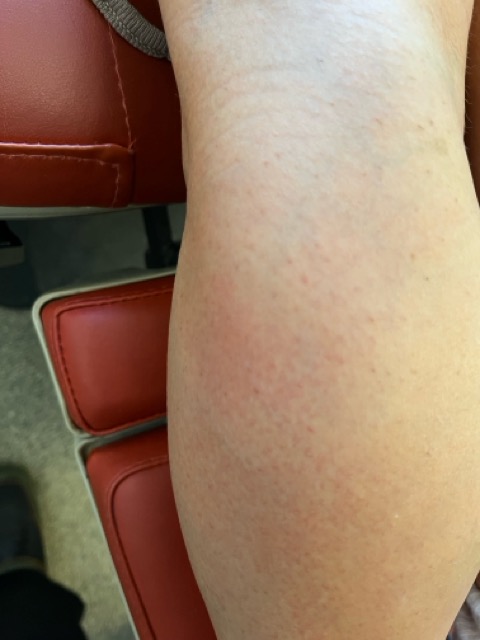
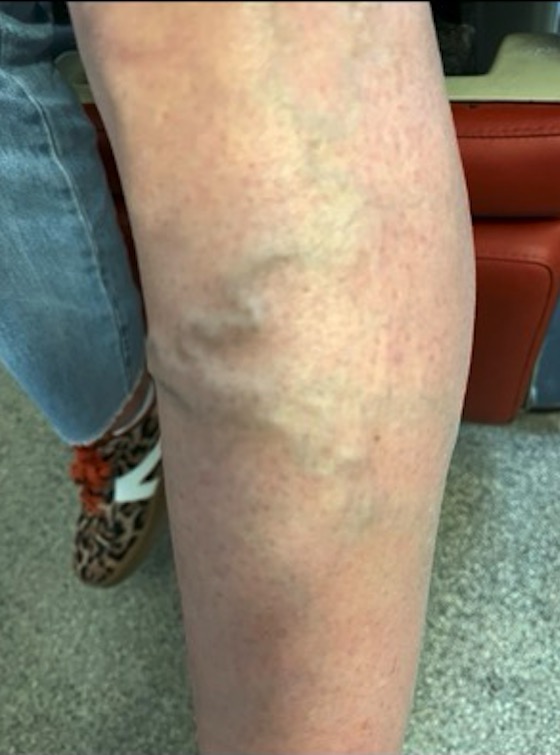
Varicose veins (and sometimes spider veins) are usually a symptom of chronic venous insufficiency, a disease that causes blood to flow backward in the veins, making them bulge and twist down the leg. Venous insufficiency (also called venous reflux) can occur throughout the venous system, but occurs most frequently in the great saphenous vein, small saphenous vein, and other veins of the superficial venous system in the lower legs.
One-way valves in the veins of the legs typically ensure that blood is carried toward the heart and prevent it from flowing backward (down the leg) and pooling. Valve failure leading to chronic venous insufficiency can be caused by multiple factors:
- Injury or other trauma
- Weak vein walls that dilate under normal pressures
- Genetically abnormal valves
- Normal veins whose vein walls are weakened by hormones (as in pregnancy)
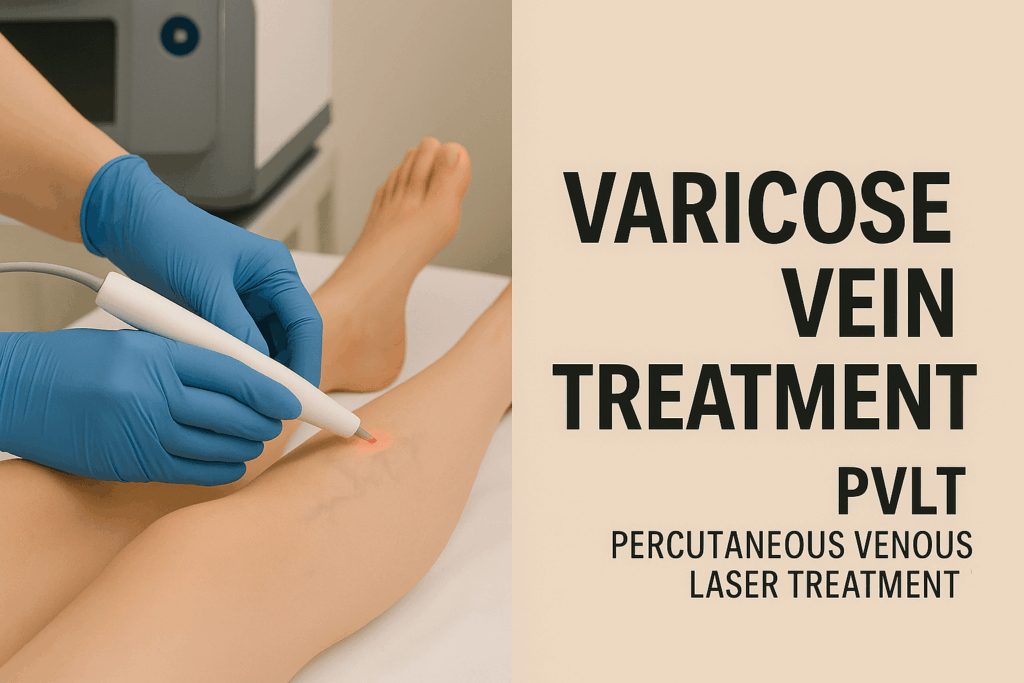
Varicose vein treatment may be indicated when valves fail, blood flows backward (or downward) in the veins, and pressure increases in the venous system below. This increased pressure causes many of the symptoms of venous insufficiency as well as potentially (over time) causing the failure of additional valves below the original failed valve